
If your heating seems to be working harder but the house still feels chilly near the windows, it is usually not your imagination. One of the top signs windows need replacing is a steady drop in comfort at home, even when the rest of the property feels well looked after. Windows tend to deteriorate gradually, so the warning signs can be easy to ignore until they start affecting warmth, security and day-to-day living.
For many homeowners, the question is not whether the windows are old, but whether they are actually past the point where repairs still make sense. A hinge can be replaced and a handle can be tightened, but recurring issues across several windows often point to a bigger problem. When that happens, replacement is usually the more sensible long-term option.
Top signs windows need replacing at home
The clearest sign is often draughts. If you can feel cold air around the frame or near the opening sections, the seals may have worn down or the frame may no longer be sitting square. In older units, this can happen through years of expansion, contraction and general wear. It does not just make rooms less comfortable – it can also mean higher energy bills because warm air is escaping.
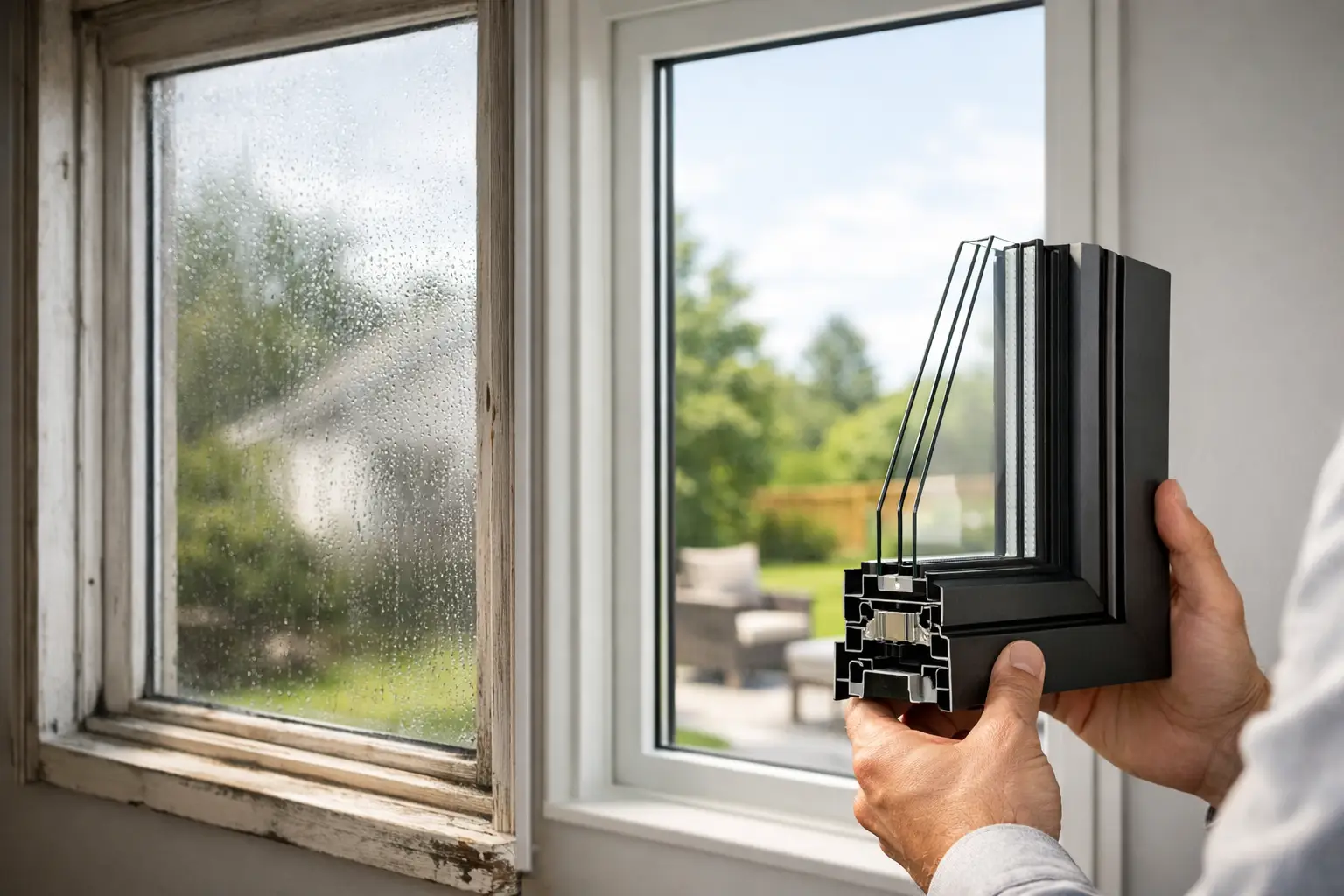
Condensation trapped between panes is another common warning sign. Surface condensation on the inside of a room can sometimes be linked to ventilation, but moisture inside a double glazed unit is different. It usually means the sealed unit has failed, allowing water vapour to get in. Once that seal has gone, the glass is not insulating your home as it should.
Windows that are difficult to open, close or lock should also be taken seriously. In some cases, this is down to worn hardware. In others, the frame itself has shifted or warped. Timber windows are especially prone to swelling and movement as they age, but older uPVC units can also become misaligned. If a window sticks regularly or needs forcing shut, it is no longer doing its job properly.
Outside appearance matters too, not just for kerb appeal but because visible damage often points to deeper deterioration. Cracked frames, decaying timber, peeling finishes and gaps around the window edge can all suggest that the unit is reaching the end of its working life. A small cosmetic issue is one thing. Widespread wear across multiple windows is another.
When repairs stop being cost effective
It depends on the age of the windows and the type of problem you are dealing with. If one handle has broken on an otherwise sound unit, a repair is usually worthwhile. The same goes for minor adjustments where the frame and glazing are still in good condition. But if you are calling someone out every few months for a different issue, the repair bills can start to add up without ever properly solving the underlying problem.
Older double glazing often becomes less efficient long before it fully fails. You may still be able to open and close the windows, but if the seals are tired, the glass is dated and the frames are letting in cold air, you are paying the price through heat loss. In that situation, replacing the windows can offer better value than continuing to patch things up.
There is also the question of consistency. If one or two windows have been repaired several times while others are showing similar signs of age, it may be more practical to think about replacement as a planned upgrade rather than a series of reactive fixes.
Rising energy bills and poor insulation
Many people first notice a problem in winter. Rooms that used to warm up quickly begin to feel cooler, especially first thing in the morning or during colder evenings. You may find yourself turning the thermostat up more often, shutting curtains earlier or avoiding certain rooms altogether because they never feel comfortable.
Windows play a major part in how well a property holds heat. If the glazing is outdated or the seals are failing, warm air escapes more easily and cold air gets in. That can make the whole heating system work harder. While replacement windows are not a cure for every insulation issue in a home, they can make a noticeable difference where old units are underperforming.
The benefit is not just warmth. Better-performing windows can reduce outside noise, improve security and help create a more even temperature throughout the property. For busy households, that day-to-day comfort often matters just as much as the savings on bills.
Condensation, damp patches and mould nearby
Some condensation is normal, especially in kitchens, bathrooms and bedrooms. The important detail is where it appears. If you are seeing misting between the panes, that points to a failed unit. If you are noticing persistent moisture around the frame, flaking paint on the surrounding wall or dark mould spots on the reveals, the window may be contributing to the problem.
This does not always mean the window is solely to blame. Ventilation, extractor use and wider damp issues can all play a part. But poorly performing windows can make those conditions worse by creating colder surfaces where moisture gathers more easily.
If you are wiping the same windows every morning and noticing the surrounding areas deteriorating, it is worth having them properly assessed. Left too long, what starts as an inconvenience can lead to damage around the opening and a less healthy indoor environment.
Security problems are one of the top signs windows need replacing
A window that does not lock properly is more than just annoying. It is a security concern. Faulty locks, loose handles and frames that no longer close tightly can all weaken the protection your windows provide.
Sometimes the issue is simply worn hardware. But older windows may also lack the security features homeowners now expect, such as stronger frames, better locking systems and tougher glazing options. If your windows feel flimsy, rattle in bad weather or no longer shut with confidence, replacement can bring real peace of mind.
This matters even more on ground floor windows or any part of the property that is less visible from the street. Security should feel solid, not like something you hope is still good enough.
Your windows look dated and bring the house down
Not every replacement decision starts with a fault. Sometimes the windows still function, but they make the property look tired. Faded frames, bulky old designs and visible wear can affect how the whole house is perceived, both from the outside and inside.
For homeowners planning other improvements, replacing old windows can have a surprisingly strong effect on the overall finish. Cleaner lines, better glazing and a style that suits the property can freshen up the appearance straight away. That is especially useful if you are improving kerb appeal, preparing to sell or simply tired of looking at windows that no longer suit the home.
Of course, appearance alone should be balanced against budget. If the windows are structurally sound and performing well, replacement may be more about preference than necessity. But where dated looks come alongside draughts, condensation and poor operation, the case becomes much stronger.
What to do if you recognise these signs
Start by looking at the pattern rather than one isolated issue. A single faulty hinge can often be repaired. Several windows with failed units, worn seals and locking problems usually suggest the windows are nearing the end of their useful life.
It helps to think in terms of value over time. A fair, no-obligation quote from an experienced local installer can give you a clearer picture of what replacement would involve and whether partial or full replacement makes more sense. Honest advice matters here, because the right answer is not always the most expensive one.
If you are unsure, ask for a proper assessment of the frames, glazing, seals and hardware rather than a quick glance. A dependable installer should be able to explain what can be repaired, what cannot, and where spending money now could save you hassle later.
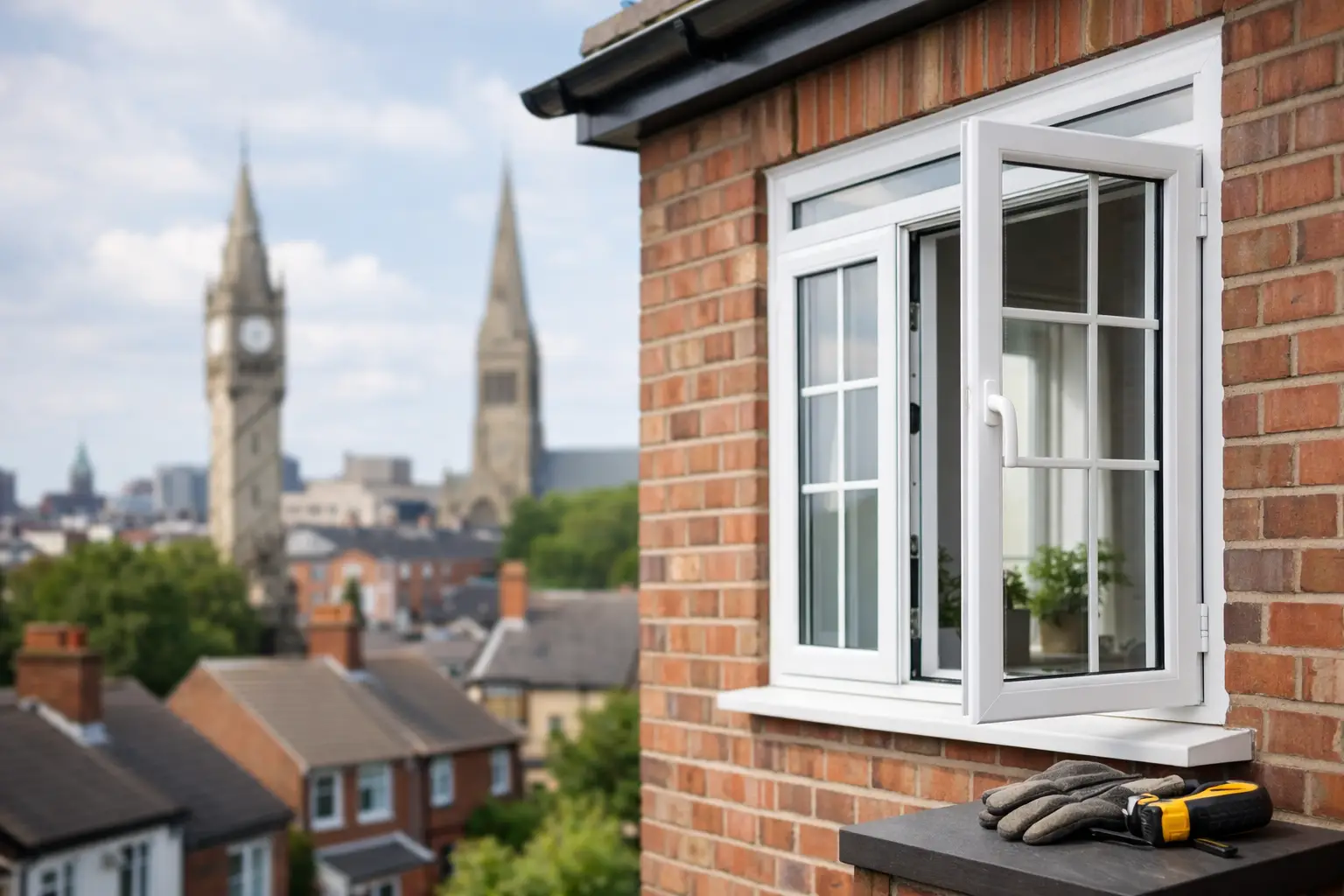
For homeowners in Leicester and the surrounding area, that kind of straightforward guidance is often what makes the decision easier. Good windows should keep your home warmer, safer and easier to live in without constant maintenance. If yours are no longer doing that, it may be time to stop repairing around the problem and deal with it properly.